Mitotic Recombination leads to cancer?

While crossing over is a normal and essential process during meiosis (the cell division that produces sperm and eggs), its occurrence in mitosis (the process of cell division for growth and repair) can indeed contribute to the development of cancer. Under normal circumstances, mitosis produces two genetically identical daughter cells from a single parent cell. This process is crucial for replacing old or damaged cells and for an organism’s growth. Crossing over, the exchange of genetic material between homologous chromosomes, does not typically happen during mitosis.  However, on rare occasions, a process called mitotic recombination or mitotic crossing over can occur. When this happens in a cell that already carries a heterozygous mutation for a tumor suppressor gene (meaning one healthy copy and one mutated copy of the gene), the consequences can be significant. Loss of Heterozygosity: A Pathway to Cancer Mitotic crossing over can lead to a phenomenon known as loss of heterozygosity (LOH). Here’s a simplified explanation of how this can promote cancer:  1. Initial Mutation: A person may inherit or acquire a mutation in one copy of a tumor suppressor gene. These genes are critical for controlling cell growth and preventing tumors from forming. With one functional copy, the cell can still produce the necessary protein to suppress tumor growth. 2. Mitotic Recombination Event: If mitotic crossing over occurs in a cell with this pre-existing mutation, it can result in a daughter cell that is homozygous for the mutated gene. This means the cell now has two mutated copies of the tumor suppressor gene.  3. Loss of Function: With both copies of the tumor suppressor gene inactivated, the cell loses its ability to control its own growth and division. 4. Uncontrolled Proliferation: This loss of control can lead to unchecked cell proliferation, a hallmark of cancer. The single cell with the homozygous mutation can then divide uncontrollably, forming a tumor.  In essence, mitotic crossing over can be a critical “second hit” in the development of cancer, unmasking a recessive mutation and allowing a cell to become cancerous. Certain genetic conditions, such as Bloom syndrome, are characterized by an increased frequency of mitotic recombination and a significantly higher risk of developing various types of cancer.

High Dosage of DXM leads to neuroplasticity

Neuroplasticity, also known as brain plasticity, is the brain’s remarkable ability to change and adapt throughout life in response to experiences, learning, and even injury. It involves the brain forming new neural pathways and modifying existing ones, allowing it to reorganize its structure and function. This dynamic process enables us to learn new things, recover from damage, and adjust to new environments. 

How Neuroplasticity Works:

  • Neurons and Synapses:The brain is composed of billions of neurons, nerve cells that transmit information. These neurons communicate through synapses, tiny gaps where they connect and exchange signals. 
  • Forming and Strengthening Connections:When we learn or experience something new, the brain creates new synaptic connections or strengthens existing ones. This is how new information is stored and how skills are developed. 
  • Synaptic Pruning:While new connections are formed, some connections are also eliminated. This process, called synaptic pruning, is crucial for fine-tuning the brain’s circuitry, making it more efficient. 
  • Functional and Structural Changes:Neuroplasticity can manifest in two main ways: functional changes, where the brain moves functions from damaged areas to other areas, and structural changes, where the brain physically alters its structure. 
  • Lifelong Capacity:Neuroplasticity isn’t limited to childhood; the brain retains its ability to change and adapt throughout life, albeit with potentially greater ease during younger years. 

Examples of Neuroplasticity:

  • Learning a new language or musical instrument:These activities involve forming new neural pathways and strengthening connections related to language or musical skills. 
  • Recovery from brain injury or stroke:The brain can reroute functions to undamaged areas, compensating for the loss of function due to injury. 
  • Adapting to new environments or situations:The brain constantly adjusts its structure and function to accommodate new experiences and challenges. 

  • Neuroplasticity: How Experience Changes the Brain – Verywell MindMay 17, 2024 — The human brain is composed of approximately 100 billion neurons.

Are Autism and Addiction intertwined as a spectrum?

High dosage of DXM treats Addiction but leads to Autism!

High dosage of DXM brings back memories!

High dosage of DXM changes senses and perception


High dose of DXM leads to more “awareness” and “mindfulness”

High dose of DXM “slows” time down ? (Time extension)

High dose of DXM = higher contrast when looking at objects?

R4A = Robotics For Autism

Is Robot-Assisted Therapy Helpful for Autistic Children?

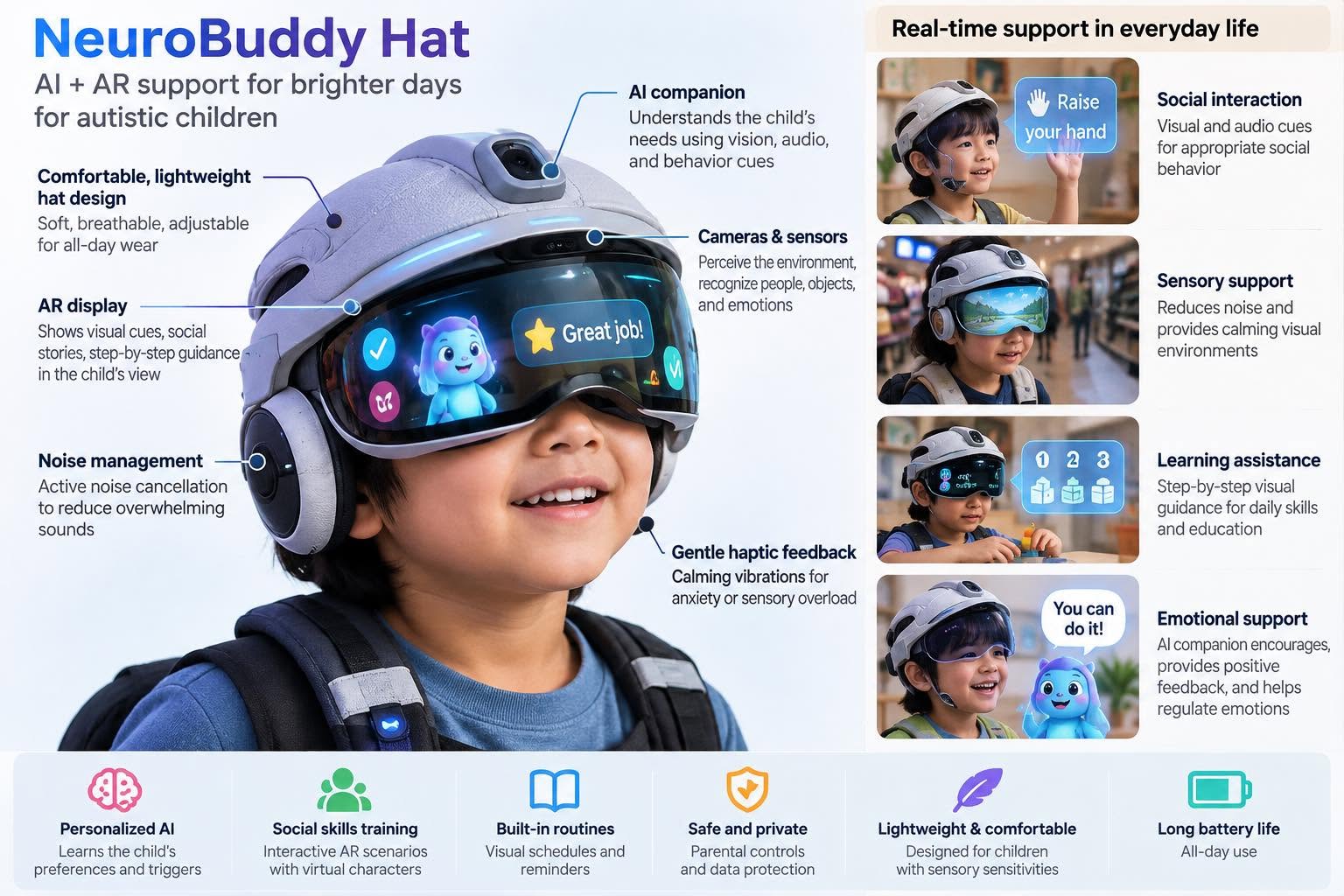
Yes, research suggests that robots can be helpful for autistic children, particularly in improving their social and communication skills. Robot-assisted therapy (RAT) has emerged as a promising area within autism care, utilizing social robots to support the development of children on the autism spectrum. 

Benefits of Robot-Assisted Therapy:

  • Improved Engagement: Children with autism often find robots engaging and motivating, exhibiting higher levels of attention and longer gaze durations when interacting with them compared to human caregivers.
  • Reduced Anxiety: The predictability and consistency of robots can help reduce anxiety and stress in autistic children who may find human social interactions challenging and unpredictable.
  • Enhanced Social Skills: Robots can assist in teaching various social skills, such as:
  • Personalized Learning: Robots can be programmed and customized to tailor interventions to individual children’s needs, preferences, and developmental levels, offering a personalized learning experience.
  • Increased Opportunities for Practice: Robots can provide consistent and repetitive opportunities for practice, which is essential for skill development in children with autism.
  • Motivation and Collaboration: The engaging nature of robots can increase children’s motivation to participate and collaborate, even on challenging tasks like social or emotional skill development. 

Autism Postulate

Does the overproduction of 5-HT(serotonin) and platelets cause autism?

People from Binh Dinh and Phu Yen Provinces eat a lot of tuna (cá ngừ), which is rich in vitamin B12 that would increase platelet count (coagulants) and serotonin.

Liệu Thuế Quan Trump có làm TQ sụp đổ như LX hồi thập niên 1990 không?

Thuế Quan Của Trump Có Làm Trung Quốc Sụp Đổ Như Liên Xô?

Việc Tổng thống Donald Trump áp đặt hàng loạt thuế quan lên hàng hóa Trung Quốc từ năm 2018 đã làm dấy lên câu hỏi lớn: liệu chính sách này có thể gây ra một cuộc khủng hoảng toàn diện khiến Trung Quốc sụp đổ giống như Liên Xô vào đầu thập niên 1990? Dù có một số điểm tương đồng bề mặt, sự thật là bối cảnh lịch sử, cấu trúc chính trị – kinh tế, và phản ứng chiến lược của Trung Quốc ngày nay rất khác biệt so với Liên Xô trong giai đoạn tan rã.

1. So sánh tình hình Liên Xô trước sụp đổ

Liên Xô sụp đổ không chỉ vì áp lực kinh tế mà còn do nhiều yếu tố đan xen: nền kinh tế kế hoạch hóa trì trệ, chi tiêu quân sự vượt mức, bất mãn xã hội, và cải tổ chính trị thất bại (Perestroika, Glasnost). Nền kinh tế Liên Xô bị cô lập, thiếu cạnh tranh và đổi mới, dẫn đến sự kiệt quệ từ bên trong.

2. Tác động của thuế quan lên Trung Quốc

Các thuế quan của Trump nhắm vào hàng trăm tỷ USD hàng hóa Trung Quốc với mục tiêu giảm thâm hụt thương mại và buộc Bắc Kinh thay đổi hành vi thương mại. Trong ngắn hạn, chính sách này gây thiệt hại đáng kể cho xuất khẩu, làm chậm đà tăng trưởng GDP và gây lo ngại trong chuỗi cung ứng toàn cầu. Tuy nhiên, Trung Quốc không hoàn toàn bị cô lập: nước này vẫn duy trì quan hệ thương mại sâu rộng với EU, ASEAN, các nước đang phát triển và tiếp tục thúc đẩy sáng kiến Vành đai và Con đường (BRI).

3. Trung Quốc học từ sai lầm của Liên Xô

Không như Liên Xô đóng cửa, Trung Quốc duy trì mô hình “chủ nghĩa tư bản nhà nước”, trong đó khu vực tư nhân và đổi mới công nghệ được khuyến khích dưới sự kiểm soát của Đảng. Hơn nữa, Trung Quốc rất cẩn trọng trong cải cách chính trị để tránh mất ổn định – điều từng là nguyên nhân làm Liên Xô sụp đổ nhanh chóng.

4. Chính sách đối phó và sức chống chịu

Trung Quốc phản ứng bằng cách giảm phụ thuộc vào Mỹ, phát triển thị trường nội địa, đẩy mạnh đầu tư vào công nghệ tự chủ (như chip bán dẫn, AI) và chuyển hướng xuất khẩu sang các nước khác. Đồng thời, Bắc Kinh giữ ổn định xã hội thông qua kiểm soát truyền thông, tăng phúc lợi, và khuyến khích lòng yêu nước trong dân chúng.


Kết luận:
Mặc dù thuế quan của Trump tạo ra thách thức kinh tế cho Trung Quốc, chúng không đủ để đẩy quốc gia này vào một cuộc khủng hoảng kiểu Liên Xô. Trung Quốc hiện đại có nền kinh tế năng động hơn, linh hoạt hơn, và chiến lược đối phó toàn diện hơn. Sự sụp đổ nếu có xảy ra sẽ không đến từ bên ngoài, mà từ bên trong – khi có sự mất lòng tin giữa nhân dân và chính quyền, điều mà Trung Quốc đang cố gắng kiểm soát chặt chẽ.